Construction closeout
Verify system performance before turnover and identify issues while trades remain mobilized.

Measured HVAC performance, field adjustments and clear reporting that supports design verification, commissioning and facility decisions.
Request a Scope ReviewTesting, adjusting and balancing is the field process used to verify how an HVAC system actually performs compared with its design intent. It is not simply a final set of airflow readings. Effective TAB evaluates equipment operation, distribution-system performance, balancing-device positions, control response and the relationships between connected spaces.
Micron combines methodical measurement with practical mechanical-system knowledge. That broader view helps contractors, engineers and owners identify whether a deficiency originates at the equipment, duct or piping system, terminal device, controls sequence or room boundary.
The final test or work plan is built around your facility, applicable requirements, operating conditions and the decision the report must support.
Early engagement helps clarify prerequisites, reduce failed visits and prevent important requirements from being discovered at closeout.
Verify system performance before turnover and identify issues while trades remain mobilized.
Re-establish air and water distribution after equipment, controls or space-use modifications.
Investigate hot and cold zones, inadequate airflow, exhaust imbalance or unstable room relationships.
Determine whether the system is delivering required performance before adding equipment or changing setpoints.
These focused pages explain typical test elements, preparation needs and reporting considerations for common applications.
Air and hydronic balancing for pharmaceutical facility systems.
View service Controlled environmentsAirflow balancing and pressure-relationship checks for controlled environments.
View service Credentialed performanceProject TAB aligned to required credentials, disciplines and reporting expectations.
View serviceEvery project is different, but the discipline behind reliable results is consistent.
Confirm facility conditions, required methods, acceptance criteria, schedule and reporting expectations.
Identify documents, access, operating states and prerequisites needed before mobilization.
Perform the agreed work with calibrated instruments, documented conditions and active coordination.
Present results, observations and deficiencies in a form the responsible teams can act on.
A report is valuable only when the owner, quality team, engineer or contractor can understand what was tested, what the result means and what remains unresolved.
Discuss Your Reporting NeedsExact requirements vary. These answers provide a starting point for defining your facility-specific scope.
Equipment should be installed and started, filters clean, controls functional, dampers accessible, ceilings substantially complete and systems operating in the intended mode. Early readiness review prevents avoidable remobilization.
No. Balancing devices can redistribute available capacity, but TAB cannot create missing fan capacity, repair major duct restrictions, correct incomplete controls sequences or replace deficient design. Those conditions should be identified and assigned for correction.
Air balancing measures and adjusts supply, return, outside and exhaust air. Hydronic balancing measures and adjusts water flow through pumps, coils and distribution circuits. Many systems require both disciplines to reach intended performance.
Cleanroom airflow volumes and pressure relationships are interdependent. TAB establishes the air distribution that supports room pressurization, air-change targets and subsequent certification testing.

Cleanroom classification is essential, but it is only one part of a defensible contamination-control system.
Read article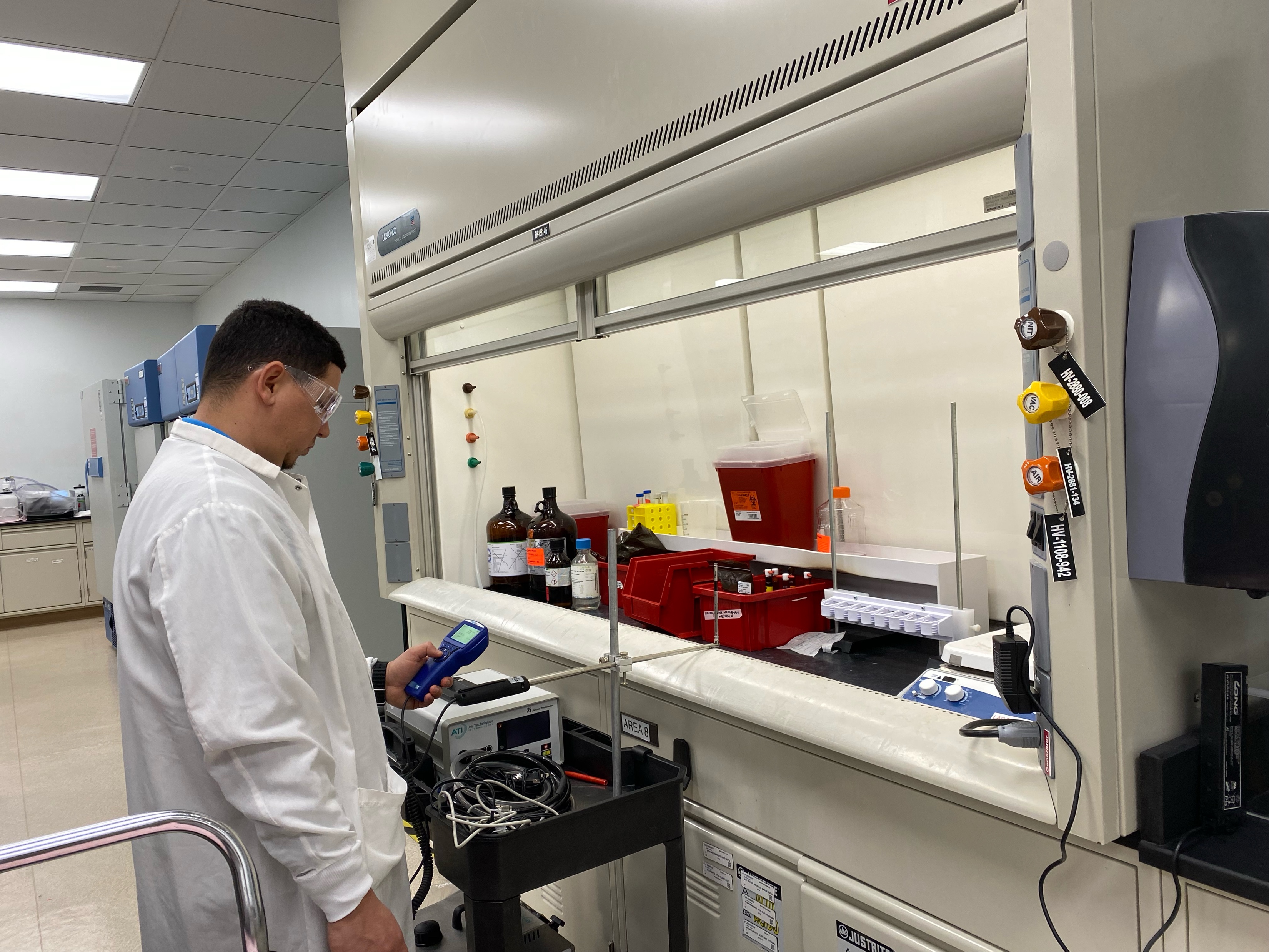
Why fume-hood design, airflow, alarms, inspection and periodic performance testing matter for laboratory personnel protection.
Read article
A detailed comparison of Federal Standard 209E, ISO 14644-1, FDA aseptic-processing guidance, EU GMP classifications and ICH Q7 contamination-control expectations.
Read article