Equipment failure or declining reliability
Diagnose operating issues and define repair or replacement options based on condition and facility needs.

Commercial HVAC support through the system lifecycle, informed by field measurement and experience in critical environments.
Request a Scope ReviewCommercial HVAC systems in laboratories, healthcare spaces and controlled environments must do more than maintain comfort. They may support pressure relationships, ventilation, exhaust, filtration, humidity control and process reliability. Mechanical work in these facilities requires careful coordination with operations and measurable closeout.
Micron provides installation, service, repair and preventive maintenance with an understanding of how mechanical changes can affect the performance of the entire facility. When appropriate, TAB and testing capabilities can be coordinated with the mechanical scope to verify the result.
The final test or work plan is built around your facility, applicable requirements, operating conditions and the decision the report must support.
Early engagement helps clarify prerequisites, reduce failed visits and prevent important requirements from being discovered at closeout.
Diagnose operating issues and define repair or replacement options based on condition and facility needs.
Coordinate equipment, ductwork, piping, controls and access around ongoing operations.
Create a service plan based on equipment type, criticality, operating hours and known failure modes.
Investigate systems that run but do not deliver required airflow, temperature, humidity or pressure control.
Every project is different, but the discipline behind reliable results is consistent.
Confirm facility conditions, required methods, acceptance criteria, schedule and reporting expectations.
Identify documents, access, operating states and prerequisites needed before mobilization.
Perform the agreed work with calibrated instruments, documented conditions and active coordination.
Present results, observations and deficiencies in a form the responsible teams can act on.
A report is valuable only when the owner, quality team, engineer or contractor can understand what was tested, what the result means and what remains unresolved.
Discuss Your Reporting NeedsExact requirements vary. These answers provide a starting point for defining your facility-specific scope.
Yes. The work plan should account for access, infection or contamination controls, shutdown windows, permits, safety requirements and protection of ongoing operations.
Micron has both mechanical and TAB capabilities. Responsibilities, independence requirements and reporting expectations are defined during scoping so the project team understands how each role will be delivered.
The plan should reflect equipment criticality, manufacturer requirements, operating conditions, failure history, filter and belt needs, controls, seasonal work and the consequences of downtime.
Closeout may include startup documentation, controls coordination, punch-list completion, TAB or measured verification, training and turnover records as defined by the contract.

Cleanroom classification is essential, but it is only one part of a defensible contamination-control system.
Read article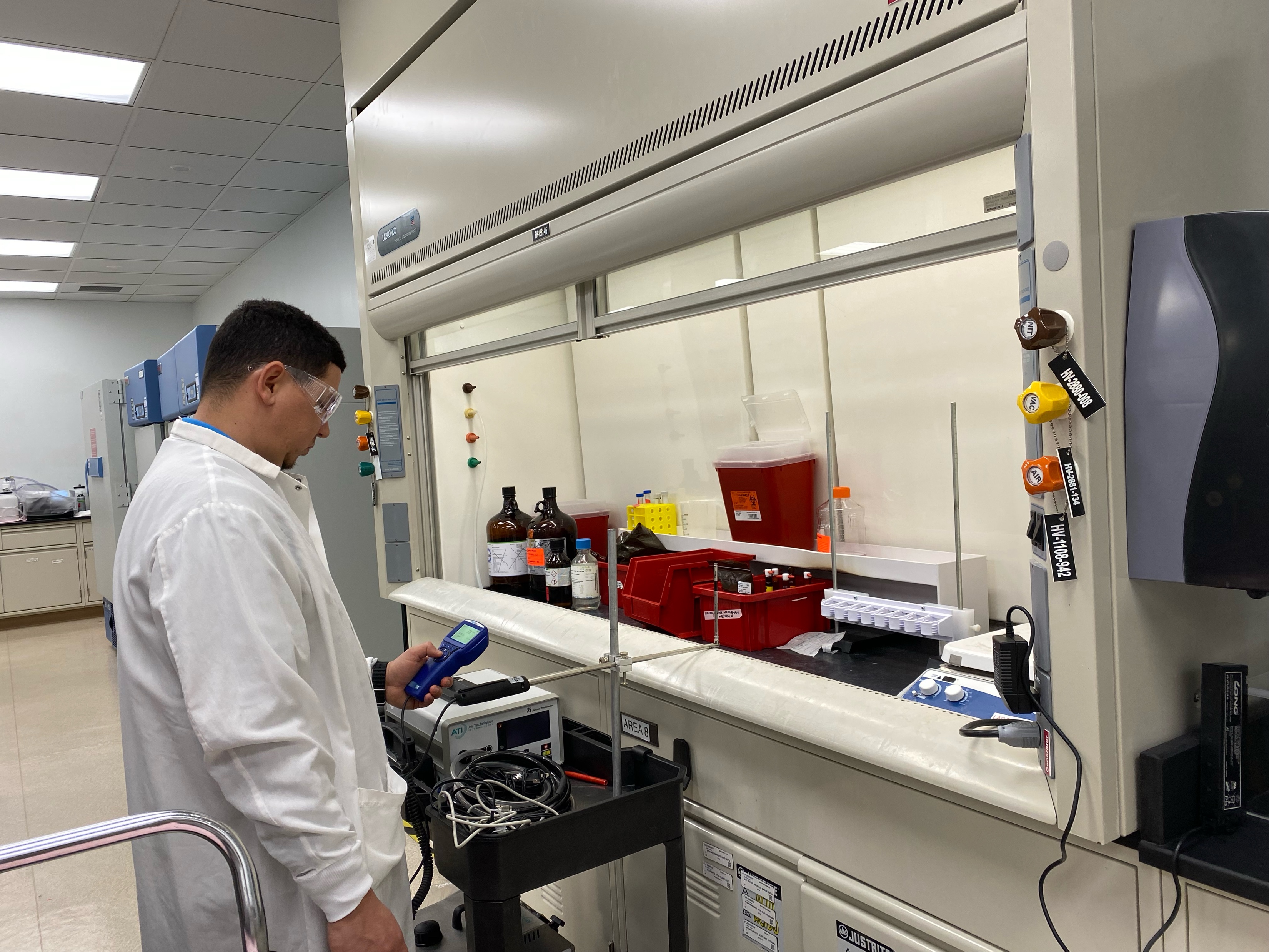
Why fume-hood design, airflow, alarms, inspection and periodic performance testing matter for laboratory personnel protection.
Read article
A detailed comparison of Federal Standard 209E, ISO 14644-1, FDA aseptic-processing guidance, EU GMP classifications and ICH Q7 contamination-control expectations.
Read article